Blog

Everything you need to know about: Towing with a 2026 Ford

There’s a moment that hits a lot of first-time towers the same way: you’re standing in a dealership or scrolling through listings, thinking you’ve found the perfect truck for all your towing needs—until someone asks, “but what are you towing?”

That’s where towing can seem easy, but difficult if the user isn’t fully equipped.

Towing isn’t about having a big truck; It’s about understanding the weight, balance and how everything works within itself.

New to the 2026 Ford Truck Lineup includes an advanced, torque powertrain lineup, which delivers impressive payload and trailer tow ratings, across all models. Ford's towing guide lays it all out in detail but here at Hunt Ford in Franklin, KY—we’ve made it easy for you and our customers.

First Trailer, Then Truck

Start by asking yourself:

  • How much does your trailer weigh fully loaded?
  • What will you be hauling?
  • Where and how you will be driving, Flat land or higher terrain?

Before heading out on a trip, check your Ford Owner’s Manual for brakes and in severe duty maintenance schedules. Ford recommends that you don’t tow anything until you’ve reached 1,000 miles on the odometer.

Check your state's law/requirements for braking systems on trailers. Many states require a separate braking system on trailers with a loaded weight of more than 1,500 pounds.

Ford also recommends that a separate functional brake system be used on any towed vehicle, including those dolly-towed or tobar-towed. The basic types of brake systems designed to activate trailer breaks are Electronically Controlled Brakes, Electric-Over Hydraulic Trailer Brakes or Surge Breaks.

Know What Trailer you Need

Trailers come in different sizes and shapes. Falling into a few general categories, each one changes what kind of vehicle you need.

  • Light-duty trailers (under 2,000 Ibs) - Small campers, small boats, motorcycles, etc.
  • Mid-range trailers (2,001- 3,500 Ibs) - Single-axle campers or small travel trailers
  • Heavy-duty trailers (3,501 - 5,000 Ibs) - Larger campers, dual-axle trailers
  • Extra-Heavy Duty (over 5,000 Ibs) - Mounted in the truck bed for better stability and weight distribution.

The bigger and heavier the trailer is, the more important your setup becomes—not just your engine, but the hitch, brakes and weight balance.

The Numbers That Actually Matter

This process is where it can get tricky. However, these numbers are the difference between safe towing and damaging your truck.

GVWR (Gross Vehicle Weight Rating): The maximum your truck itself can weigh, including passengers and cargo.

GCWR (Gross Combined Weight Rating): The maximum weight of your truck PLUS your trailer combined.

Tongue Weight: The downward force the trailer puts on your hitch. Typically is less than 10% of the trailer weight.

What Truck Best Suits Your Towing Needs?

Our biggest suggestion is to not underestimate or overestimate, but most importantly, don’t overspend.

F-150: Everyday towing like boats, small campers and utility trailers. You can tow from 8,200 - 13,500 Ibs, depending on engine with the 3.5L EcoBoost H. O. V6 being the lowest and the 3.5L EcoBoost V6 being the highest engine level.

Super Duty’s: Built for serious loads—large RVs, equipment and heavy trailers. Four available engine choices are engineered to provide outstanding performance so you can take on whatever the tow throws on you. With max towing starting at 18,900 Ibs in the 6.8L Gas V8 engine, to the 6.7L High Output Power Stroke Diesel engine at 40,000 Ibs.

The Bottom Line

Towing isn’t about pushing your truck to its limits—but it's about understanding the right setup. It all comes down to knowing your trailer weight, choosing a vehicle that can handle your tow comfortably (but most importantly, if you can handle the vehicle comfortably) and setting everything up correctly before you hit the road. Here at Hunt Ford, we want it to be less about second-guessing and more about feeling confident on your adventure.

Still not sure which Ford truck is right for your towing needs? Let the experts at Hunt Ford help. As the #1 F-Series volume dealership in the state of Kentucky for two consecutive years, we've helped thousands of drivers find the perfect truck for work, recreation and everything in between. Visit us in Franklin, KY, browse our inventory online or contact our team today to find a Ford that's built to handle whatever you're towing.
Recommended Posts

Is Your Vehicle Ready for Winter? 7 Things to Check Before Temperatures Drop

As temperatures begin to drop, it's important to make sure your vehicle is ready for the colder months ahead. Winter weather can put extra stress on your vehicle, from your battery to your tires. Taking care of a few important maintenance items now can help you stay safe and avoid unexpected problems down the road. Before winter arrives, here are seven things to check on your vehicle. 1. Check Your Battery Cold temperatures can reduce your car battery's ability to deliver power, making it harder to start your vehicle. If your battery is a few years old, have it tested to make sure it's ready for winter. Watch for signs like slow engine cranking, dim headlights, or difficulty starting your vehicle. 2. Inspect Your Tires Your tires play a major role in keeping you safe on winter roads. Check your tire tread for wear and make sure your tires are properly inflated. Tire pressure can drop as temperatures fall, so it's a good idea to check it regularly. If your tread is getting low, consider replacing your tires before winter weather arrives. 3. Test Your Heating and Defrosting Systems A working heater keeps you comfortable, but your defroster is just as important. Make sure your heating and defrosting systems are working properly so you can stay warm and maintain clear visibility while driving. 4. Check Your Antifreeze and Coolant Your vehicle's coolant helps regulate engine temperature and protects against freezing when the weather gets cold. Check your coolant level and make sure the mixture is appropriate for winter conditions. If you're unsure, have a technician inspect it. 5. Replace Worn Windshield Wipers Snow, ice, rain, and road spray can make winter driving difficult. Worn-out windshield wipers may leave streaks or struggle to clear your windshield. If your wipers are cracked, damaged, or skipping across the glass, it's time for a replacement. Be sure to keep your windshield washer fluid topped off with a winter-rated formula, too. 6. Check Your Brakes Reliable brakes are essential when roads become wet, icy, or slippery. Pay attention to warning signs like squealing, grinding, vibrations, or changes in how your brake pedal feels. Having your brakes inspected before winter can help identify potential issues early. 7. Build a Winter Emergency Kit Even a well-maintained vehicle can experience unexpected problems. Prepare for the possibility of getting stranded by keeping a few essentials in your vehicle, including: Jumper cables or a portable jump starter A flashlight and extra batteries Warm blankets, gloves, and a hat An ice scraper and snow brush A phone charger or power bank A first-aid kit and basic emergency supplies Being prepared can make a stressful situation much easier to handle. Get Your Vehicle Winter-Ready at Hunt Ford A little preparation now can go a long way toward helping you handle winter driving with confidence. From checking your battery and tires to inspecting your brakes and fluids, routine maintenance can help keep your vehicle running smoothly when temperatures drop. Need help getting your vehicle ready for winter? Contact Hunt Ford to schedule a service appointment and let our team help you prepare for the colder months ahead. Drive safe, stay warm, and enjoy the season! Get Your Vehicle Winter-Ready at Hunt Ford A little preparation now can go a long way toward helping you handle winter driving with confidence. From checking your battery and tires to inspecting your brakes and fluids, routine maintenance can help keep your vehicle running smoothly when temperatures drop. Don't wait until the cold weather hits! Schedule your service appointment at Hunt Ford today and let our team help get your vehicle ready for winter. Drive safe, stay warm, and enjoy the season!

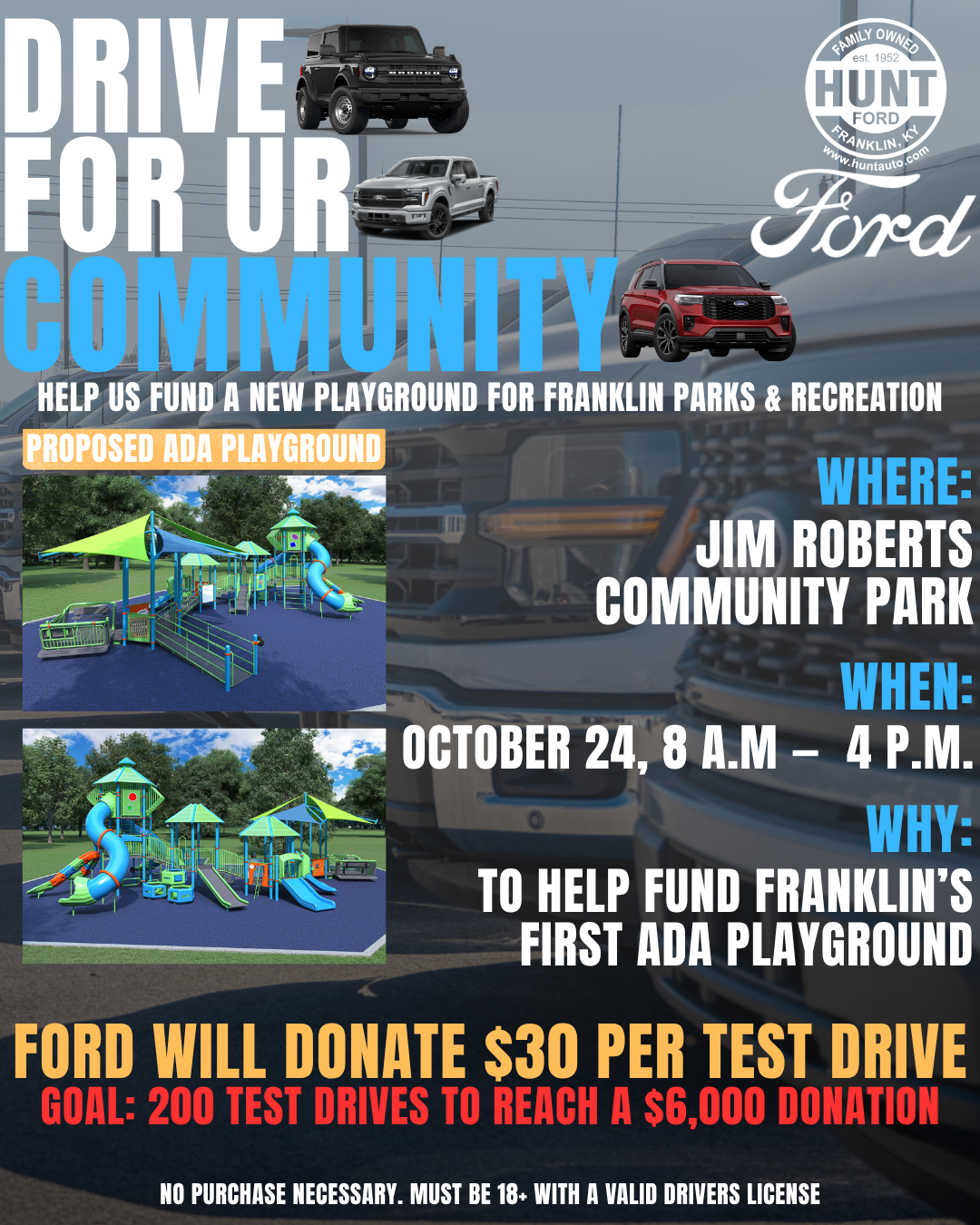
Drive for Our Community: Help Fund Franklin’s First ADA Playground

Drive for Our Community: Help Fund Franklin’s First ADA Playground

Hunt Ford is inviting the Franklin community and surrounding areas to come together for a great cause. On October 24, community members can visit Jim Roberts Community Park from 8 a.m. to 4 p.m. to participate in the Drive for Ur Community event. The goal is to help fund a new and first ever ADA-accessible playground for Franklin Parks & Recreation, creating a more inclusive space where children of all abilities can play, explore and make memories. Here’s how you can help: Ford Motor Company will donate $30 for every completed test drive, with a goal of reaching 200 test drives to generate a $6,000 donation toward the playground project. Whether you’re looking for your next vehicle or simply want to support a meaningful local initiative, your participation can make a difference for families throughout Franklin. No purchase is necessary. Participants must be 18 or older and have a valid driver’s license. Join Hunt Ford in driving change and helping build a more accessible, inclusive community—one test drive at a time!

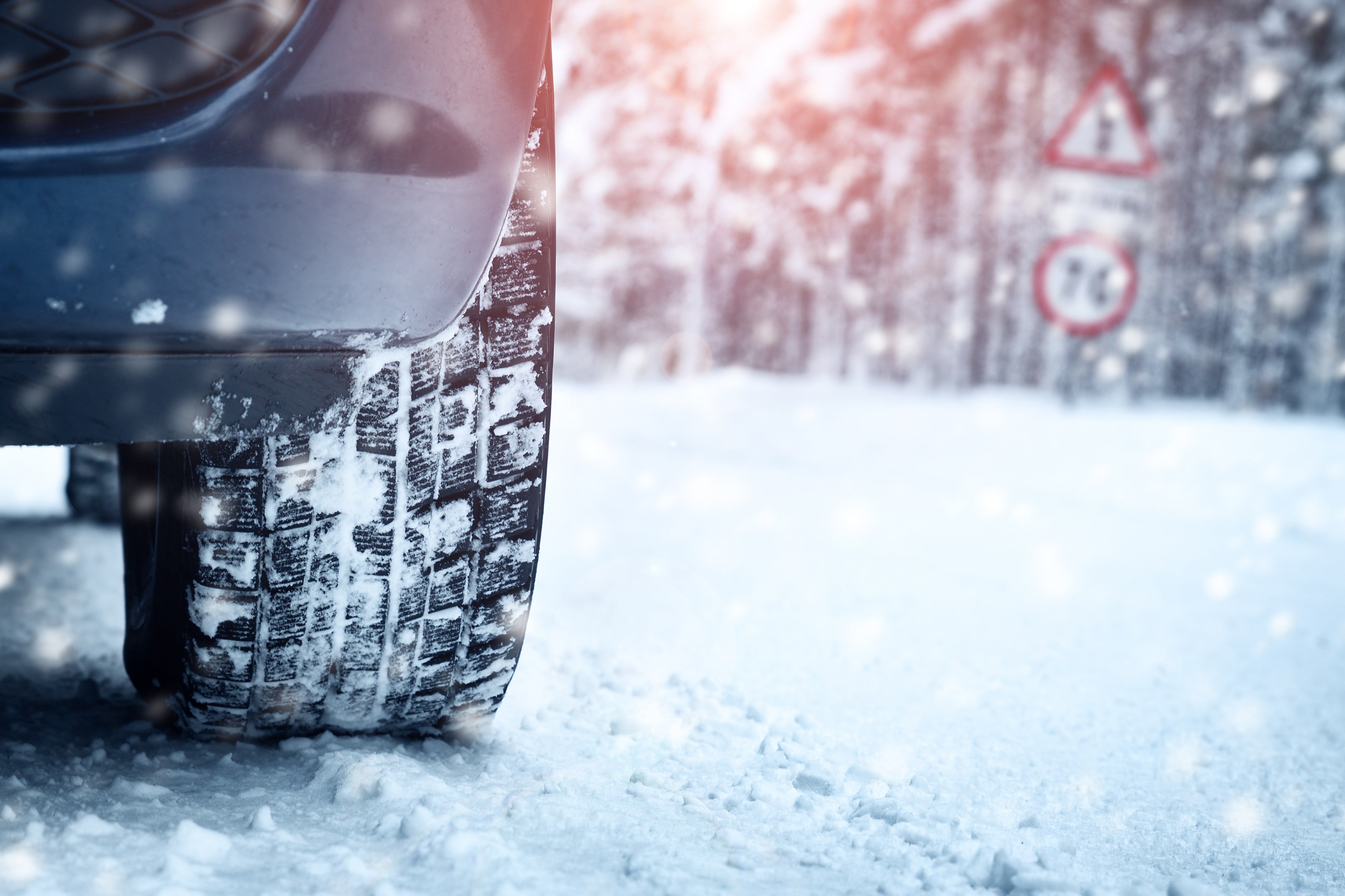
Vehicle tire driving on a snowy road with winter conditions

Ford Winter Maintenance Checklist: Prepare Your Vehicle Before Cold Weather Hits

September might still feel warm in Franklin, Kentucky, but colder temperatures, icy conditions, and occasional snow are right around the corner. Getting ahead of the season with a Ford winter maintenance checklist helps you avoid breakdowns, costly repairs, and unsafe driving conditions. If you own a workhorse Ford F-150, adventure-ready Bronco, a family-friendly Expedition, or any other Ford vehicle, a little preparation now goes a long way once frost starts showing up on your windshield. Check Your Battery and Electrical System Hot weather is tough on batteries, and with summer stop-and-go traffic, road trips, and towing, your battery may have taken a beating. And now, cold weather is on the forefront to compound that. It’s hard on batteries, and a battery that works fine in summer can fail quickly when temperatures drop. As part of your Ford winter maintenance checklist, have your battery tested for charge and voltage. Look for corrosion around the terminals and make sure all connections are secure. Most batteries last 3 to 5 years, so if yours is getting up there, it is worth replacing before winter arrives rather than dealing with a dead battery on a cold morning. Inspect Your Tires for Cold-Weather Readiness Tire pressure drops as temperatures fall, which can affect handling and fuel economy. Check your tire pressure regularly throughout September and October, and refer to your owner's manual for the recommended pounds per square inch for your specific Ford model. While you’re at it, inspect the tread depth and look for any uneven wear or visible damage. Tires in good condition give you better traction on wet or icy roads, which is especially important for drivers navigating rural Kentucky roads. Test Your Brakes and Fluids Your Ford winter maintenance checklist should always include a thorough brake inspection. Cold weather can make existing brake issues worse, so if you notice any squealing, grinding, or soft pedal feel, get it checked right away. You will also want to verify your coolant, brake fluid, and windshield washer fluid levels. Make sure your coolant mixture is appropriate for freezing temperatures—a proper antifreeze-to-water ratio protects your engine when temperatures dip below freezing. Check Your Lights and Wiper Blades Shorter days in fall and winter mean you rely on your headlights more often, and with the wet conditions approaching, you don’t want to be caught off-guard. Walk around your Ford and confirm that all exterior lights are working properly, including brake lights and turn signals. Replace any burnt-out bulbs before they become a safety issue. Wiper blades should also be inspected and replaced if they are streaking or skipping across the glass. Consider switching to winter wiper blades, which are designed to handle sleet and light ice more effectively. Schedule Ford Service in Franklin, KY Before the Cold Sets In The best way to make sure your Ford is truly ready for winter is to have a qualified technician look it over. Ford service right here in Franklin, KY is available to help you work through every item on your winter maintenance checklist, from oil changes and filter replacements to battery tests and tire rotations. Ford Mobile Service also allows technicians to handle many routine services at your home or workplace, making it easy to stay on schedule even with a busy fall calendar. Bringing your vehicle in for Ford service—or arranging for it to be done while you’re on the couch at home—before the cold hits gives you peace of mind and helps you catch small issues before they turn into major repairs. Get Your Ford Winter-Ready Today Working through a Ford winter maintenance checklist in September is one of the smartest things you can do as a Ford owner in Franklin, KY. From your battery and tires to your lights and fluids, each item you check off helps ensure a safer, more reliable winter driving experience. Visit Hunt Ford at huntfordky.com to schedule your service appointment and get your Ford ready before the temperatures start to fall.